Why Small-Batch Matters - our philosophy
We explore the intersection of traditional craftsmanship and modern skincare integrity. Discover why the "human trace" is the most important ingredient in every Ueno bottle.
Before You Reach for Anything
Most mornings are lost before they start. We move from alarm to screen to obligation, carrying last night's tension into a new day.
Ueno was built around a different premise: that the skin absorbs more than formula. It absorbs the quality of your attention.
"A ceremony is not a series of steps. It is the decision to be present for each one."
Begin here. Not with product. With stillness.
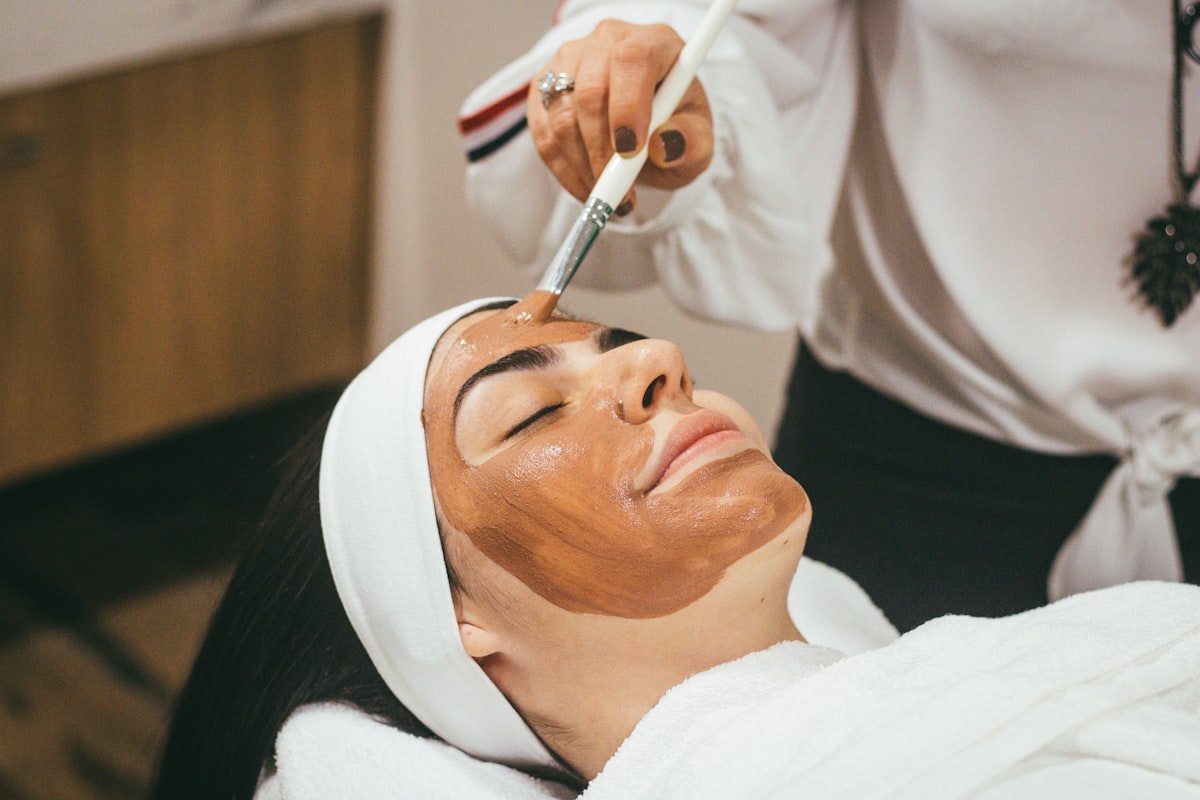
Photograph: Ueno Studio, Tokyo — Early Spring
The Opening: Water, Cool and Deliberate
Why temperature matters
Cold water does not shock the skin. It asks it a question.
The vessels beneath the surface respond — a gentle contraction, a kind of waking. Not the bracing cold of a challenge, but the mild coolness of a mountain stream. Enough to register. Enough to matter.
Use cupped palms. Fill them fully, press them to your face, hold for a breath before releasing. Repeat three times. No cloth, no friction, nothing between the water and the skin.
This step has no product. That is not an oversight. The skin needs to arrive before anything else can. Water clears what the night leaves behind — not just on the surface, but in the quality of your presence. By the third rinse, your hands have slowed. Your shoulders have dropped. The day has not yet claimed you.
Dry with a cloth that has been washed often enough to be soft. Pat. Do not wipe.
The First Touch: Morning Rinse
A translucent toning water, scented faintly with hinoki and white peony
Pour a small amount into your palms — less than you think you need. The formula is light; it will spread.
Press both hands together once, to warm it slightly. Then press — not wipe, not massage — into still-damp skin. The palms cover more surface than the fingertips and apply even pressure. Work from the centre outward: nose to cheekbones, chin to jaw, brow last.
The texture is almost nothing. A breath of moisture. That is the point.
Hinoki wood has been used in Japanese bathing rituals for centuries. It grows slowly, in cold mountain forests, and its scent carries that patience: dry, clean, faintly resinous. Not a perfume. A reminder. On contact with warm skin it softens further, closer now to air than wood. The white peony beneath it adds something quieter still — floral but not sweet, the way a garden smells before the sun fully reaches it.
The toner does not need time to absorb. Leave the skin slightly damp and move on before it fully dries. The next step needs that surface.
The Second Touch: Quiet Serum
Two drops. Three, at most.
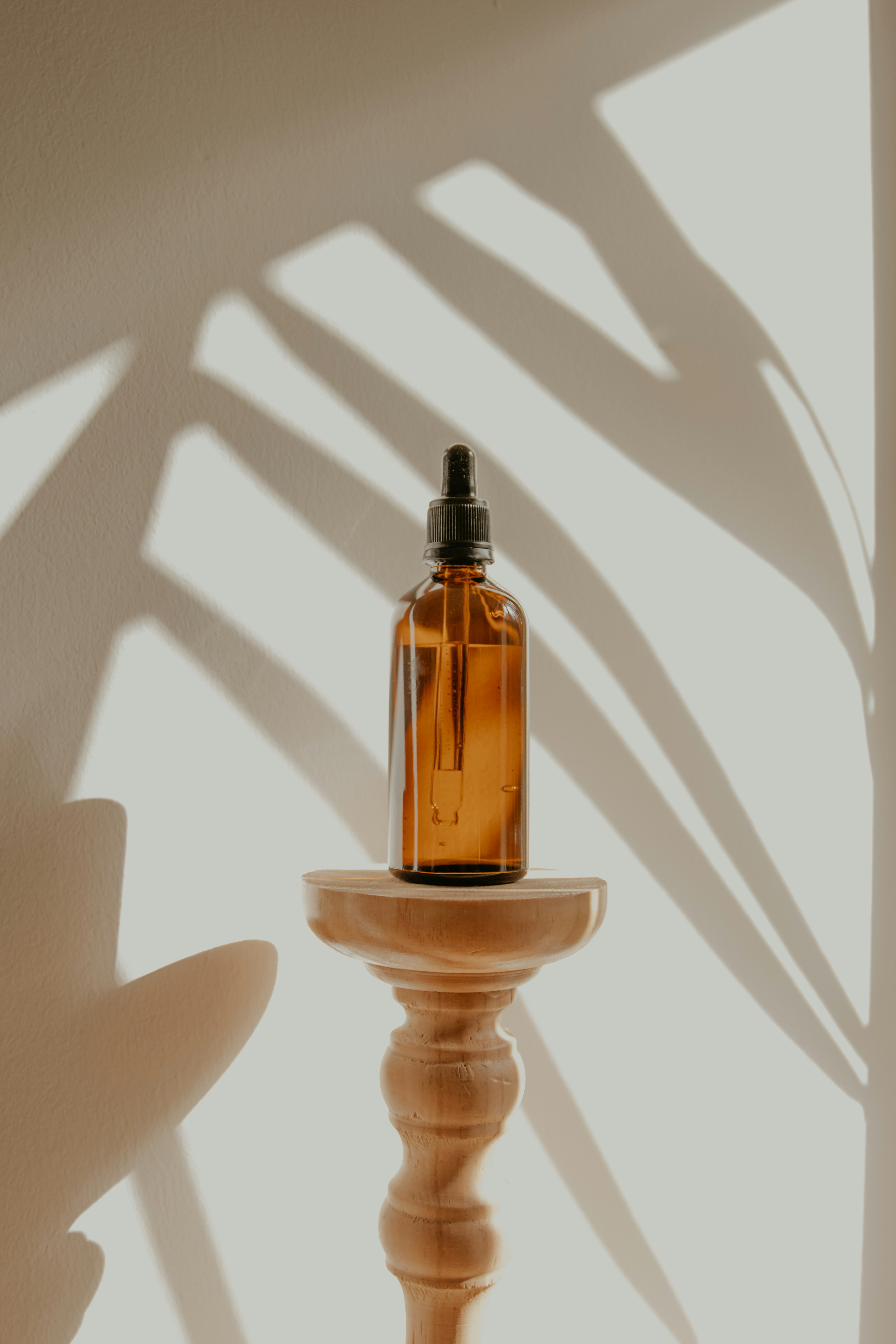
Hold the dropper between your ring and middle fingers and let two drops fall into the opposite palm. Use the ring finger to apply — it carries less natural pressure than the index or middle finger. This is not mysticism. It is precision. On skin that has just been quieted, less pressure keeps more.
Dot the serum across the face: one point on each cheekbone, one on the forehead, one on the chin. Then press inward, working toward the centre. There is no need to rub. The warmth of your skin will draw the formula in.
Camellia oil — tsubaki in Japanese — has been used in Japan for over a thousand years. Women who worked in wind and sun, who lived by the sea, who aged in full view of the elements, used it not to reverse what time was doing, but to meet it well. The oil is light, almost dry on contact. It leaves no residue, only a faint luminosity that looks less like product and more like rest.
The rest of the serum — fermented rice water, snow mushroom — works more quietly. Fermentation concentrates what is already present in the ingredient; nothing synthetic is added to produce the effect. Snow mushroom holds many times its weight in water. Together they give the skin what it would give itself, if given the conditions.
Wait sixty seconds before the next step. Use the time however you need to.
The Third Touch: Deep Rest Oil
The oil is the warmest step. In texture, in temperature, in the quality of attention it requires.
Warm two drops between your palms — not by rubbing, but by pressing them together and holding for a moment. You will feel the oil change. Then exhale, close your eyes, and bring both hands to the face at once: palms flat, fingers pointing upward, the heels of the hands resting at the jaw.
Hold.
Then draw the hands slowly outward and upward — across the cheekbones, over the brow, to the temples. One slow pass. Not a massage. Not a technique. More like a greeting.
The movement matters for two reasons. First, the skin at the outer edges of the face — the temples, the jaw hinge, the space beside the eyes — is where expression accumulates. Tension lives there. The warmth of the palms softens it in a way that no formula alone can replicate. Second, ending at the temples brings the hands close to the breath, and the breath slows without being asked to.
Camellia (tsubaki) carries through from the serum, building rather than competing. Sea buckthorn gives the oil its faint amber quality — this is the colour of the ingredient, not a dye. Against the skin it disappears, leaving only the trace of itself: a little warmth, a little weight, gone within minutes.
"The skin does not separate the product from the person applying it. Neither should you."
Do not apply more than two drops. The oil is concentrated; excess sits rather than absorbs, and the ceremony ends unevenly.
The Close: A Moment Without Purpose
Sit with what has been done.
Five breaths. Eyes closed or open — your preference.
In Japanese practice, ma — the pause, the negative space — is not absence. It is structure. A room needs space to be a room. A piece of music needs silence between its notes. This ceremony needs its ending, unhurried, before the day begins.
You may notice the skin looks like itself, only more so. Not corrected. Not treated. Present. There is a difference between skin that has been worked on and skin that has been attended to. After time, the distinction becomes easy to read.
The whole ritual takes eleven minutes. Perhaps twelve, if the water is particularly cold and you linger there. Against the scale of a morning, this is very little. Against the scale of a year — repeated, accumulated, never rushed — it is not nothing.
Return tomorrow. Begin here.